Key Trends Shaping Chemical Risk Management Software Worldwide
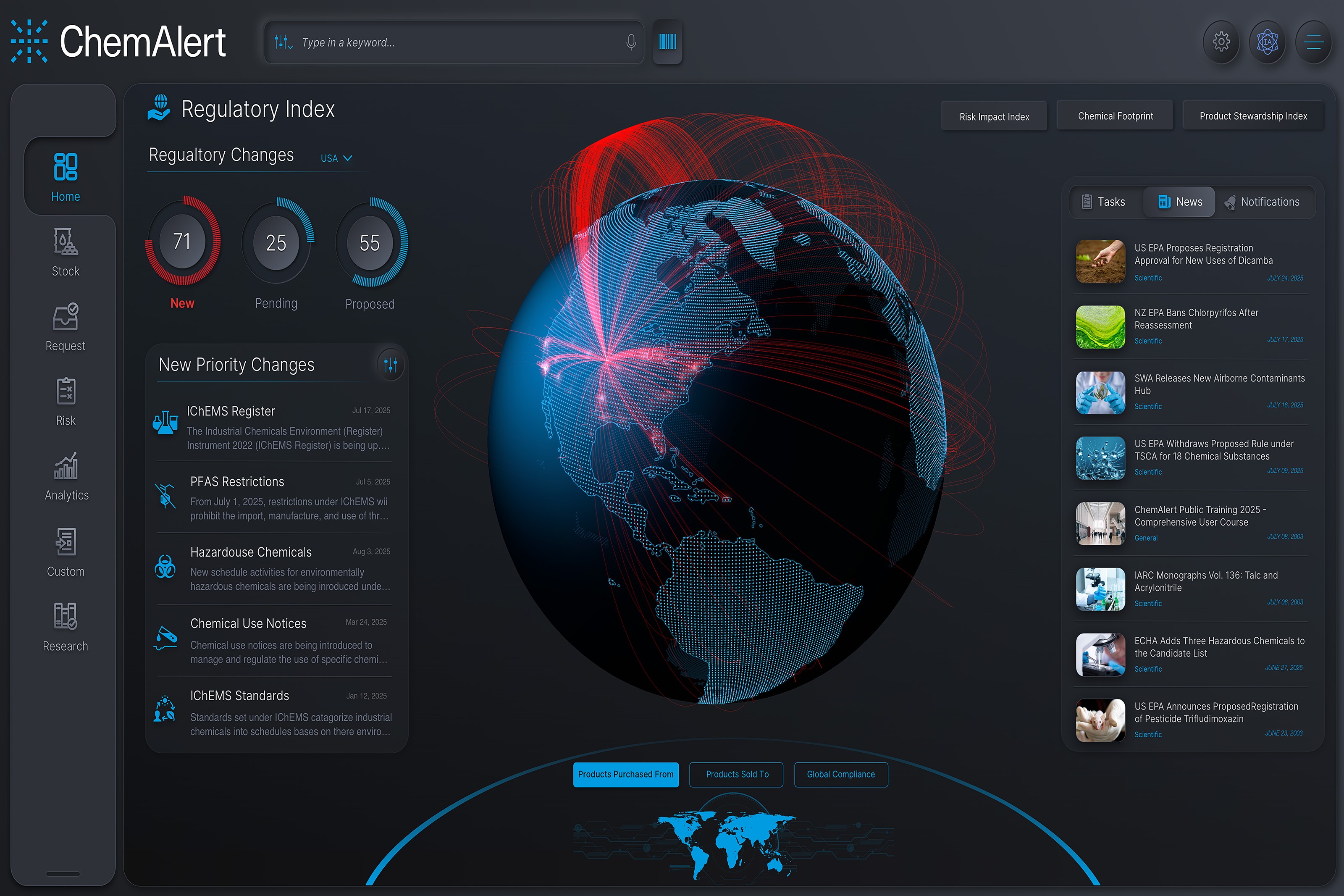
Chemical risk management software has evolved significantly over the past decade. What was once primarily a tool for storing Safety Data Sheets and maintaining compliance records is now becoming an essential platform for organisations managing complex chemical operations across multiple regions.
Global organisations increasingly need reliable systems that provide clear visibility into chemical use across facilities, suppliers, and regulatory environments. Supply chains now span continents, and products are often manufactured in one country, supplied in another, and used across multiple sites. Maintaining consistent chemical information across these environments has become extremely difficult without a structured and reliable system.
As a result, chemical risk software is moving beyond simple document storage and becoming a central source of trusted chemical intelligence. Organisations now rely on these platforms to understand which chemicals present the greatest operational risks, where hazardous substances are used, and how purchasing decisions affect long-term outcomes.
One of the major developments behind this shift has been the improvement in chemical data itself. Earlier systems depended heavily on individual Safety Data Sheets, which often varied in quality and completeness. Modern platforms are increasingly built around structured chemical databases that analyse products at the ingredient level. This deeper level of information allows organisations to compare products more accurately and identify risks before they develop into operational issues.
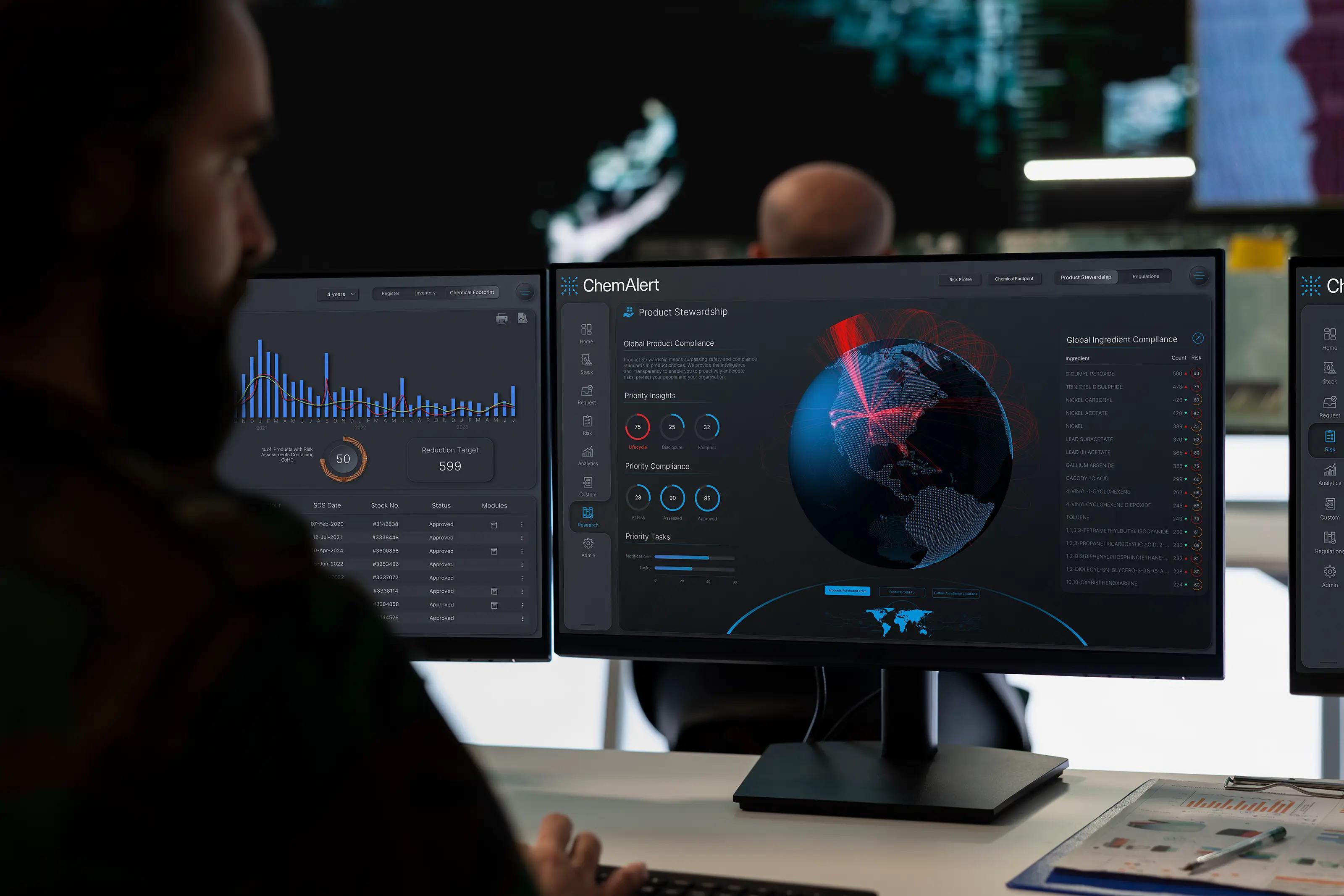
Product stewardship has become an important part of chemical management programs, particularly for organisations that manufacture or distribute products globally. Companies need clear visibility into chemical composition and regulatory status across different markets. This responsibility extends beyond individual workplaces and into the broader product lifecycle. Chemical risk software is increasingly being used to support product stewardship by providing consistent chemical intelligence across entire product portfolios.
Another important change is the growing connection between chemical safety and purchasing decisions. In the past, chemicals were often approved after they arrived on site, which frequently created unnecessary risk and additional work. Many organisations now evaluate products before they are introduced into the workplace. This approach allows risks to be identified earlier and standards to be applied more consistently across global operations.
As chemical risk programs expand, the technology that supports these programs must also evolve. Organisations depend on digital platforms that allow teams to update information quickly, maintain accurate records, and share knowledge across regions. Systems that are difficult to maintain or update can create significant operational barriers and slow business growth.
Modern chemical risk software is also becoming easier and faster to use. Advanced search tools and improved system design allow users to locate chemical information in seconds rather than searching through large collections of documents. When information is easy to find, systems become part of everyday operations rather than tools used only for compliance audits.
Chemical risk software is now used by safety professionals, procurement teams, product stewardship specialists, and senior leadership. These systems provide organisations with a clearer understanding of chemical risk across their operations and support more informed decision making.
What began as a compliance requirement has evolved into a core operational platform. As organisations continue to operate in increasingly complex environments, chemical risk software is playing an essential role in helping businesses manage risk and operate confidently across global markets.
Learn how ChemAlert can assist your business HERE
%20(1).jpg)
.jpg)
.jpg)